Anton Magon - Independent print production expert

Independent print-production diagnosis before equipment risk becomes production loss.

A technical audit for owners, production directors, vendors and integrators who need evidence on equipment, acceptance, color drift, RIP/ICC, materials and workflow losses.

OwnersProduction directorsVendors / integrators
Anton Magon · Independent print-production expert 10+ years connecting digital, UV and wide-format production with RIP/ICC, color management, operator routine, CRM/ERP logic and owner reporting.
  • Digital, UV, latex, textile and wide-format production diagnosis.
  • RIP systems: ONYX, Caldera, EFI, ColorGate.
  • ICC profiling, ΔE control and color stability.

Decision route

One expert site, three clear entry points.

Start from the decision you are trying to make. This is where the site becomes structured: solution path, symptom path and intake path.

Decision route10+ years connecting digital, UV and wide-format production with RIP/ICC, color management, operator routine, CRM/ERP logic and owner reporting.

How to move through the site

The homepage explains the expert and the risk. The next layer depends on whether you need a service scope, a root-cause path or a checklist before the call.

  1. 01
    Services

    When the business already needs a scoped technical intervention.

  2. 02
    Problems

    When the symptom is visible but the cause is still unclear.

  3. 03
    Resources

    When the team must collect machine, material and defect facts first.

Independent route: no vendor pitch, no decorative content layer, no generic consulting detour.

Decision01

I need the right audit service

Use services when the question is commercial and operational: buy, accept, rescue, stabilize or rebuild workflow.

  • Scope of work
  • Evidence layers
  • Deliverables and next action
Open services
Symptom02

I need to diagnose a production problem

Use problems when the press, color, RIP or material is already failing and you need the shortest path from symptom to likely cause layers.

  • Visible defect
  • Likely cause map
  • Link to audit service
Open problems
Intake03

I need to prepare the facts first

Use resources when the case is still chaotic and the team must gather files, samples, settings and production facts before review.

  • Checklist
  • Required inputs
  • Audit trigger
Open resources

Production risk

The audit starts where print production begins to leak money.

The work is not abstract consulting. It separates technical causes from workflow causes before the next payment, launch, reprint cycle or customer claim.

01

Reprints

Repeat jobs come back because the same defect is not traced to a controlled cause.

02

Unstable color

RIP, ICC, material modes and measurement routines do not produce repeatable output.

03

Material waste

Setup, curing, adhesion or profile choices consume media before the job is stable.

04

Downtime

Machine, operator, vendor and workflow responsibility are mixed together.

05

Acceptance risk

A new machine looks installed but has not proved real production readiness.

06

Prepress / RIP chaos

Files, queues, profiles, QC gates and CRM statuses do not match production reality.

Diagnostic focus

Five audit lenses, one decision path.

Each engagement is scoped around the production decision that needs evidence: buy, accept, rescue, stabilize, or control.

01 Equipment acceptance

Supplier claims, test files, speed, adhesion, curing, color stability and sign-off evidence.

02 UV / wide-format / digital rescue

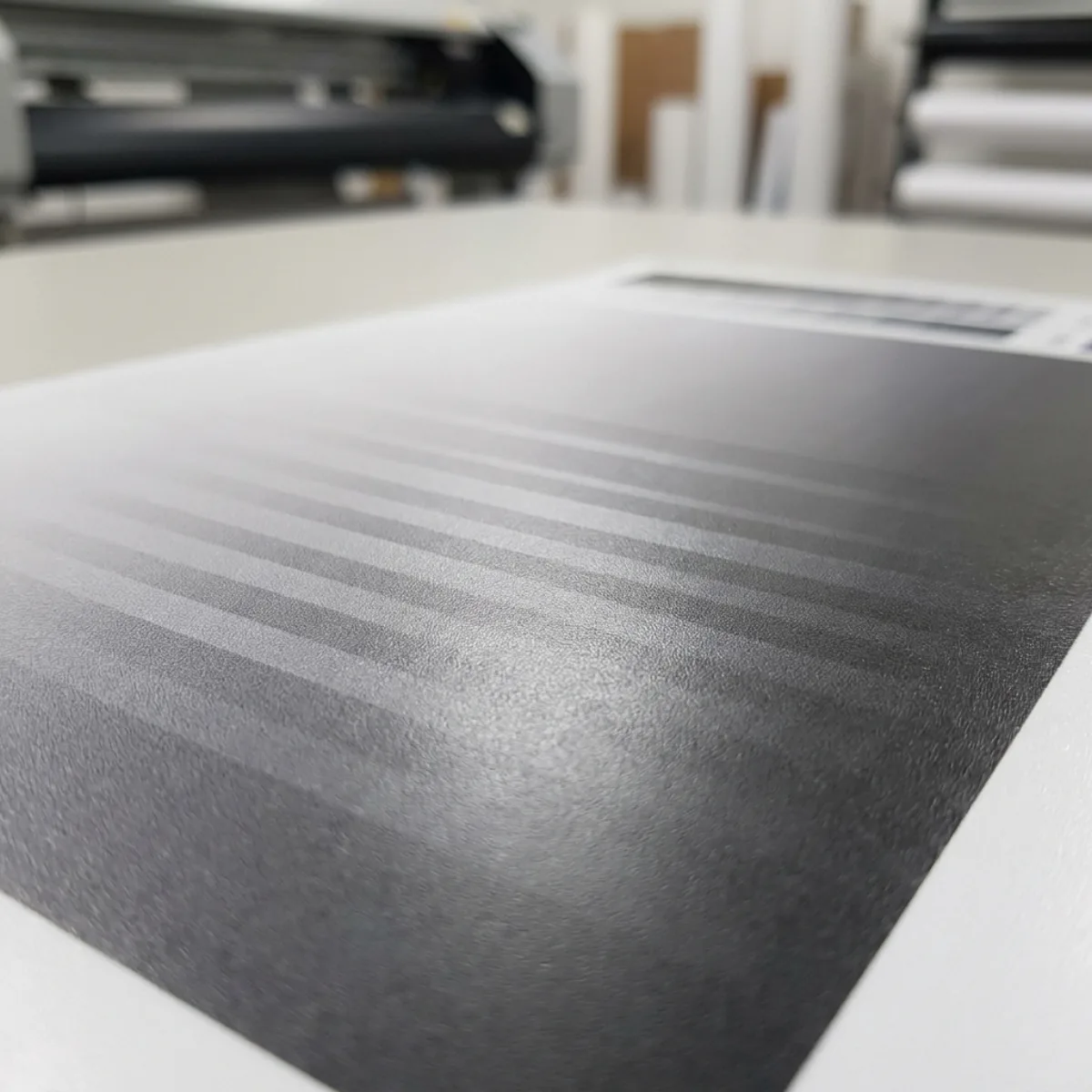
Banding, overspray, deflection, material behavior, operator routine and vendor handoff.

03 Color / ICC / RIP stabilization

Profiles, queues, print modes, DeltaE targets, gray balance and repeat-job control.

04 Workflow / CRM / ERP control

Tech cards, production statuses, QC gates, responsibility and owner reporting.

05 Production loss mapping

Reprints, material waste, downtime, setup delays, claims and hidden owner-level losses.

Core services

Services built around the decision you need to make.

01 Before purchase

Buying printing equipment?

A wrong machine purchase becomes a long production problem.

Problem
Check supplier claims, test files, materials, RIP, speed, quality and acceptance criteria before money is committed.
What is checked
Supplier promise and specification review · Test files, print modes and material set · RIP, ICC and color stability risk
Output
Audit report · Risk map · Root-cause map
When to use
You are choosing between machines or vendors
View service
02 Acceptance protocol

Accepting or launching a new machine?

Final acceptance should not be signed blind.

Problem
Document quality, speed, color stability, adhesion, curing and RIP/profile setup before final sign-off.
What is checked
Speed and repeatability · RIP and ICC profile setup · UV curing and adhesion
Output
Audit report · Risk map · Root-cause map
When to use
Equipment is installed and final acceptance is near
View service
03 Rescue sprint

Machine already installed but unstable?

Unstable output usually has more than one cause.

Problem
Separate machine, RIP, profile, material, operator and workflow causes before the problem becomes normal.
What is checked
Banding and deflection analysis · Overspray and grain checks · Adhesion and curing tests
Output
Audit report · Risk map · Root-cause map
When to use
Customers complain about repeat quality
View service
04 Color lab

Color, quality or defects?

Color drift turns production into manual guessing.

Problem
Stabilize ICC, RIP modes, material profiles, ΔE control and repeatability across jobs and operators.
What is checked
ICC profile and RIP mode review · Calibration and ΔE control · Material profiles and print modes
Output
Audit report · Risk map · Root-cause map
When to use
Repeat orders do not match
View service
05 Signal flow

Production workflow is chaotic?

CRM cannot control production if it does not reflect production truth.

Problem
Map sales, file, prepress, print, QC, delivery and owner dashboard logic before CRM/ERP becomes noise.
What is checked
Workflow map · Tech cards and order statuses · Quality gates and rework loop
Output
Audit report · Risk map · Root-cause map
When to use
Orders disappear between departments
View service

Technical proof

The output is evidence, not a slide deck.

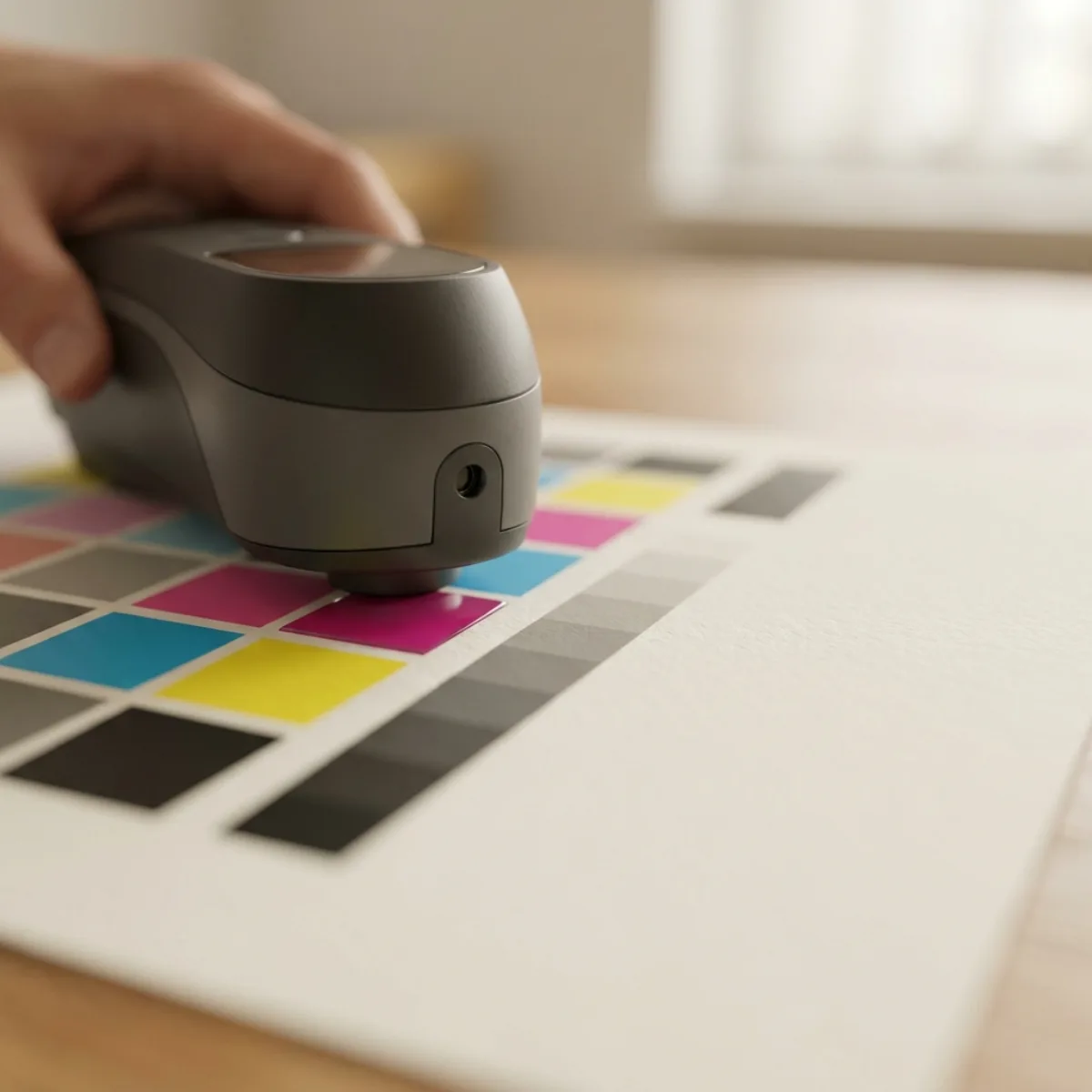
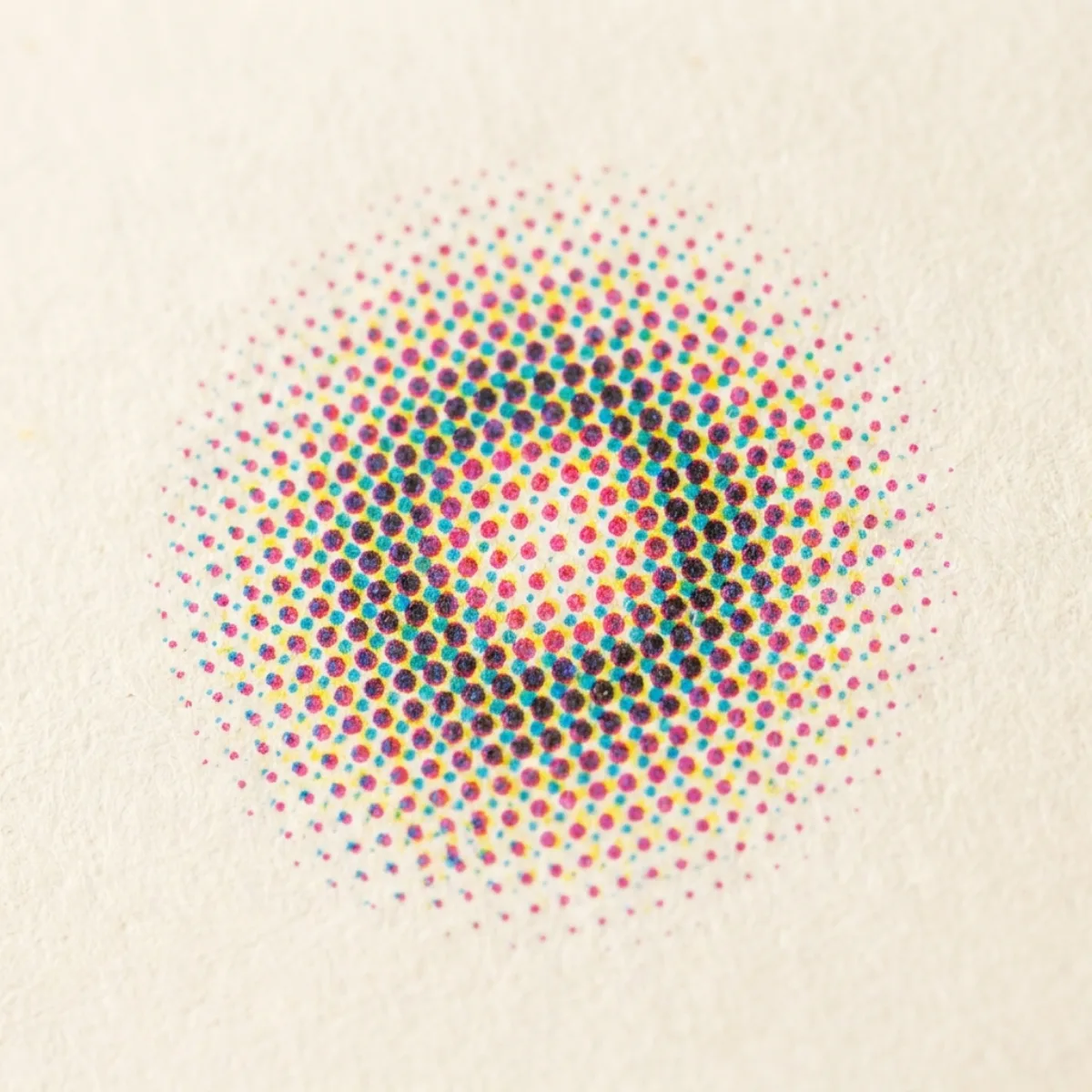
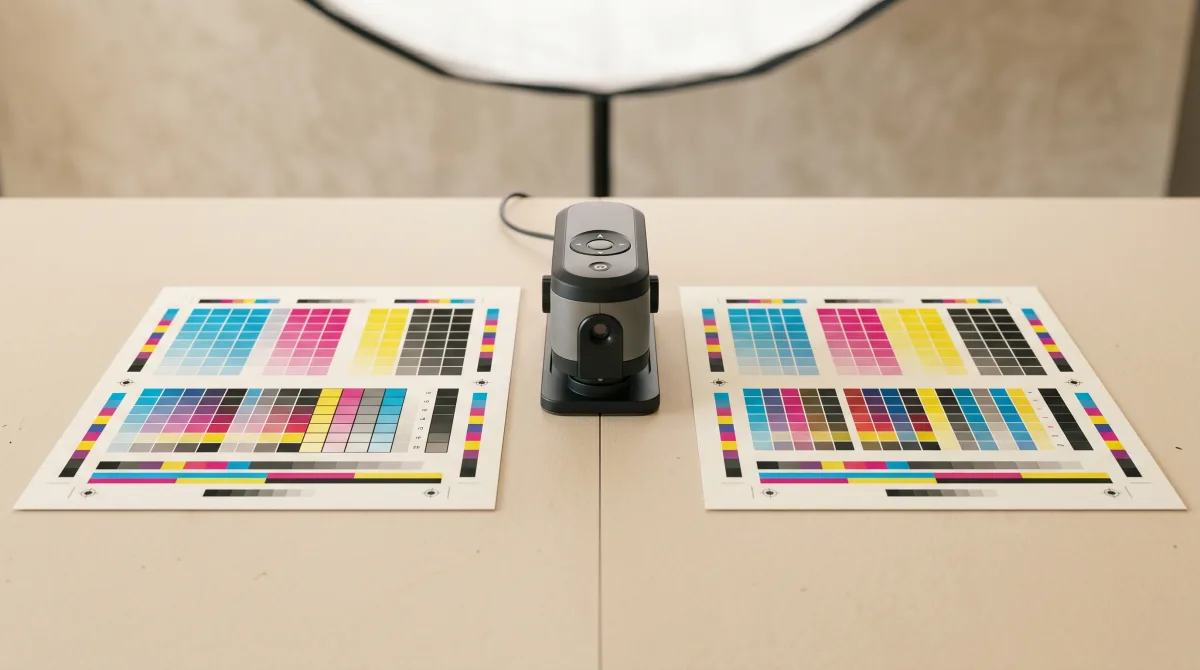
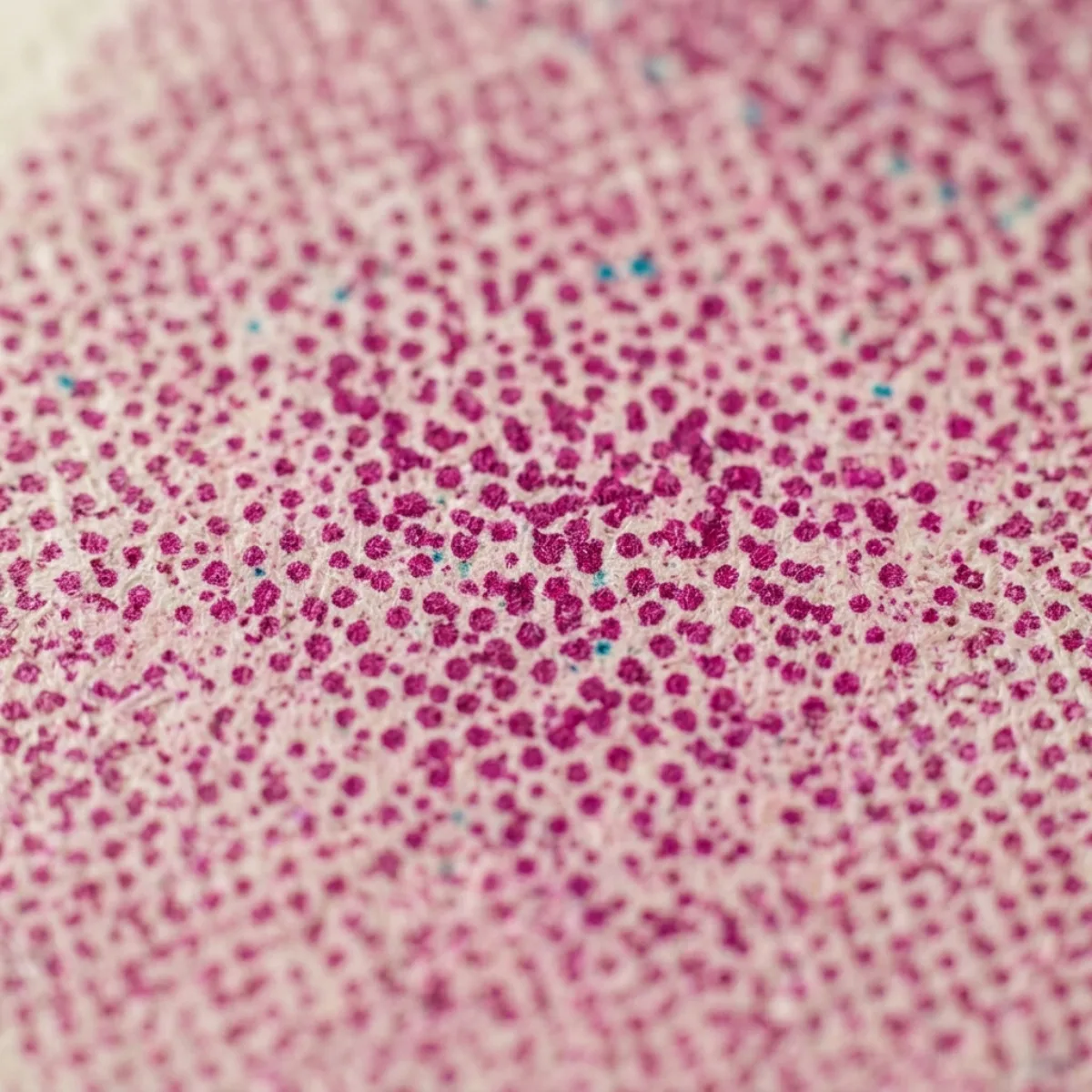
The visual language stays close to the work: control sheet, CMYK patches, gray balance, registration, raster behavior, spectral curve, DeltaE, RIP/ICC status, acceptance protocol and loss map.

Diagnostic format

Reproduction Control Sheet

Risk map
CMYK solid patches ISO 12647
C 1.40M 1.45Y 0.90K 1.70
Gray balance neutral strip
0102030405060708090100
Gray balance unstable
Registration / alignment
X
+0.04 mm
Y
+0.03 mm
Rotation
+0.02 deg
Within tolerance
Raster / dot behavior TVI
10%20%30%40%50%60%70%80%90%
Raster / dot behavior: check TVI
Spectral reflectance D50 / 2 deg
380480580680730
Color metrics Lab / DeltaE
DeltaE average 3.8
DeltaE max7.6
DeltaE 95%6.1
DeltaE min1.2
RIP / ICC status
RIP
Heidelberg Prinect 2023
ICC profile
PSO coated v3
Intent
Relative colorimetric
TAC
300%
ICC profile: review required
Acceptance assessment risk gate
Acceptance risk high
  • DeltaE average above tolerance
  • Gray balance unstable
  • TVI curve deviation
  • ICC profile review required
Standard reference: ISO 12647 Measurement: M0 / D50 / 2 deg Status: Diagnostic format

Diagnostic framework

Diagnostic framework

Root cause matrix preview

75-100 controlled 50-74 unstable 0-49 critical
DomainWhat is assessedScoreRiskPriority
File / Prepress File integrity, trapping, overprint, screening intent 55 High P2
RIP Queues, presets, rendering intent, material modes 48 Critical P1
ICC / Color Profiles, calibration state, gray balance, DeltaE drift 72 Medium P1
Screening / TVI Raster structure, dot gain, rosette, line screen behavior 58 High P2
Material / Ink Material response, curing, adhesion, density stability 60 Medium P2
Workflow / Measurement QC gates, sample approval, owner reporting, repeatability loop 52 High P1
  1. 01 Business context
  2. 02 Equipment and process map
  3. 03 File/prepress audit
  4. 04 RIP/color/profile audit
  5. 05 Material and print mode audit
  6. 06 Operator workflow audit
  7. 07 Quality/reclamation audit
  8. 08 CRM/ERP/reporting audit
  9. 09 Loss map
  10. 10 30/60/90-day action plan

How the audit works

How the audit works

  1. IntakeMachine, material, issue, urgency and decision context.
  2. EvidenceFiles, photos, samples, videos, RIP settings and production data.
  3. DiagnosisSeparate equipment, color, material, operator and workflow causes.
  4. FindingsDocument what is proven, what is risky and what remains unknown.
  5. Action planPrioritize fixes, acceptance gates and 30/60/90-day actions.
  6. Follow-upOptional support while the team or vendor closes the critical points.

Resources

Printing Equipment Acceptance Checklist

Use this checklist before paying for new UV, wide-format or digital printing equipment.

Acceptance checklist PDF / Audit intake
01Supplier claims02Test files03Materials04RIP setup05Color stability06Adhesion07Curing08Final sign-off Open checklist

FAQ

FAQ

Can the audit be done remotely?

Yes, if the team can provide files, print samples, photos, videos, RIP settings, material data and process information.

Do you work with suppliers or only owners?

Both. The role is independent diagnosis, not vendor attack or operator blame.

Can you help before buying equipment?

Yes. Pre-purchase audit is one of the main use cases.

Do you implement CRM/ERP?

Only when it is connected to real production workflow, statuses, tech cards, quality gates and owner reporting.

Request audit

Send your equipment case

Describe the machine, material, symptom, business risk and urgency. I will classify whether this is an equipment, RIP/color, workflow or vendor-risk case.

Technical intake Vendor-neutral
Add technical details

After submission I will reply with what is needed for the first diagnosis: files, samples, photos, videos, RIP settings or workflow notes.